Tarangire National Park
A hidden gem of Tanzania, famed for its giant baobabs, elephants, and rich wildlife diversity.
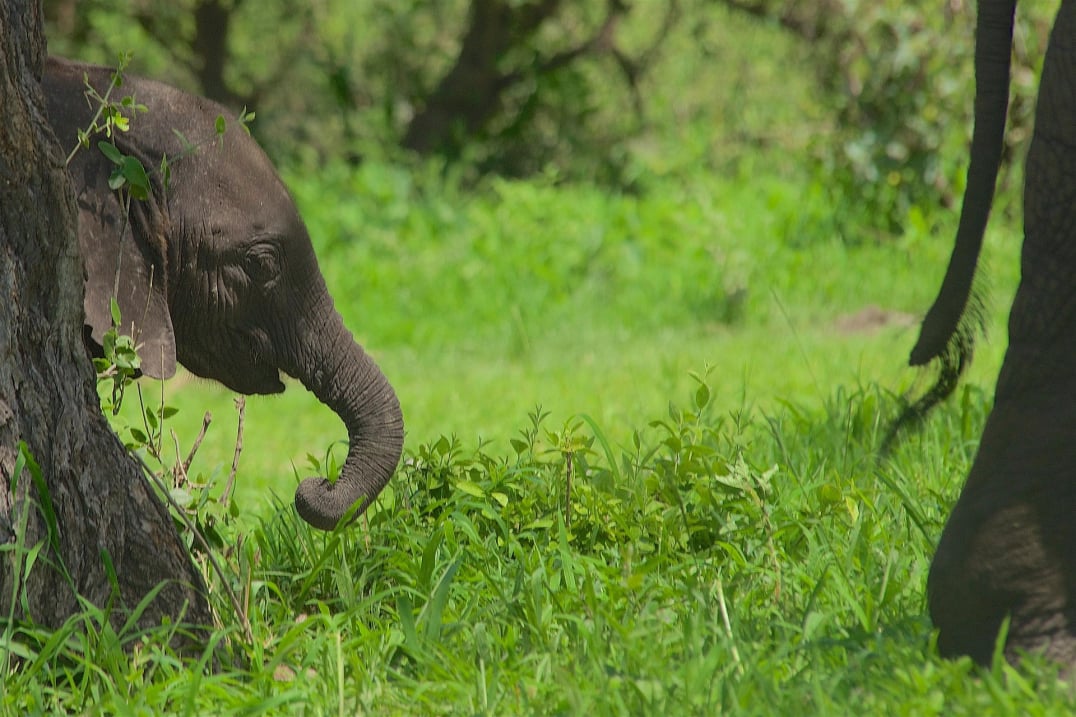
Overview
The Tarangire National Park lies just a few hours’ drive from Arusha and offers an authentic, less-crowded safari experience. Known for its towering baobab trees and vast herds of elephants, Tarangire is a photographer’s paradise. During the dry season, thousands of animals congregate along the Tarangire River, creating spectacular wildlife scenes reminiscent of the Serengeti.
The park is also home to a variety of species not often seen elsewhere, including oryx, greater kudu, and the rare fringe-eared oryx. With its diverse habitats and abundance of birds, Tarangire is a favorite for both seasoned travelers and first-time visitors.
Weather & Climate
Tarangire has a warm, dry climate for much of the year. The Dry Season (June–October) is the best time for wildlife viewing as animals gather around the river. The Wet Season (November–May) brings lush vegetation and excellent birdwatching.
- 🌡️ Average Temperature: 18–30°C (64–86°F)
- 🌦️ Rainfall: Short rains (Nov–Dec), long rains (Mar–May)
- 🏞️ Elevation: 1,100 m above sea level
Quick Facts & Best Time to Visit
- 📍 Location: Northern Tanzania, southwest of Arusha
- 🌳 Size: 2,850 km²
- 🐘 Famous For: Elephants, baobab trees, Tarangire River
- 🦅 Birdlife: Over 500 species recorded
The best time to visit Tarangire is between June and October during the dry season, when large herds of elephants, zebras, and wildebeests gather at the river. The green season (November–May) offers fewer crowds, dramatic skies, and vibrant birdlife — ideal for photography.