Serengeti National Park
A UNESCO World Heritage Site renowned for the Great Migration and vast savannah landscapes.
Overview
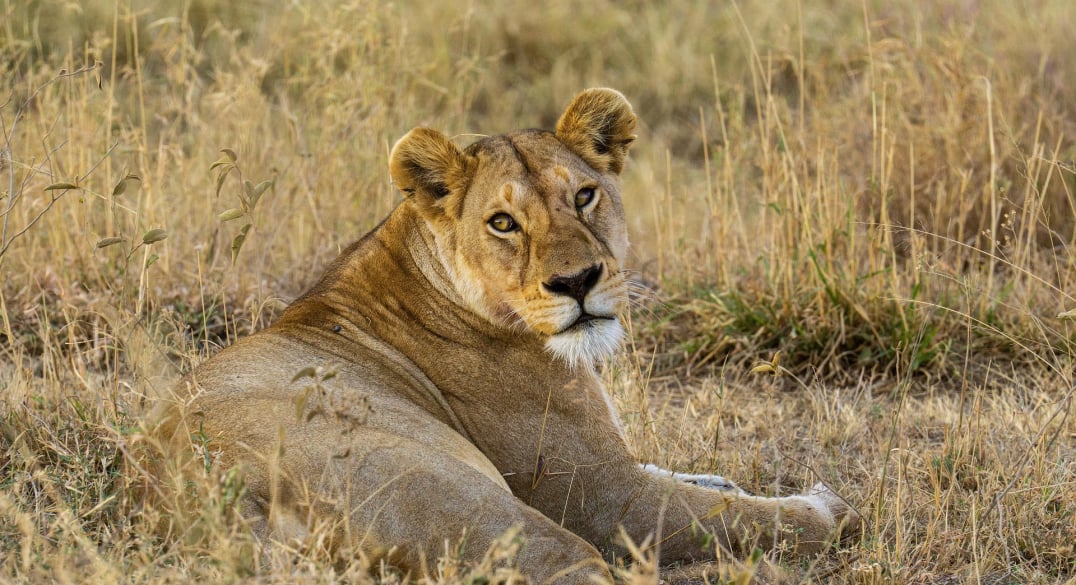
The Serengeti National Park in northern Tanzania is one of Africa’s most famous wildlife destinations. Spanning nearly 15,000 square kilometers, it’s home to an incredible diversity of wildlife, including lions, elephants, cheetahs, leopards, and over 500 bird species. The park’s name comes from the Maasai word “Siringet,” meaning “the place where the land runs forever.” Each year, the Serengeti hosts the world-famous Great Wildebeest Migration, where over two million animals journey across its plains in search of greener pastures.
Weather & Climate
The Serengeti enjoys a pleasant climate year-round. Dry Season (June–October) offers clear skies and the best game viewing, while the Wet Season (November–May) brings lush greenery and excellent birdwatching opportunities.
- 🌞 Average Temperature: 25°C (77°F)
- 🌦️ Rainfall: Short rains (Nov–Dec), long rains (Mar–May)
- 🌄 Elevation: 1,140–2,000 m above sea level
Quick Facts & Best Time to Visit
- 📍 Location: Northern Tanzania
- 🐘 Size: ~14,750 km²
- 🦓 Famous For: Great Wildebeest Migration
- 🏞️ UNESCO Status: World Heritage Site (1981)
The best time to visit is from June to October for dry conditions and prime wildlife viewing, especially during the migration river crossings in the northern Serengeti. However, January to March is ideal for witnessing the calving season in the southern plains.