Ngorongoro Crater
A breathtaking natural amphitheater and one of Africa’s greatest wildlife spectacles.
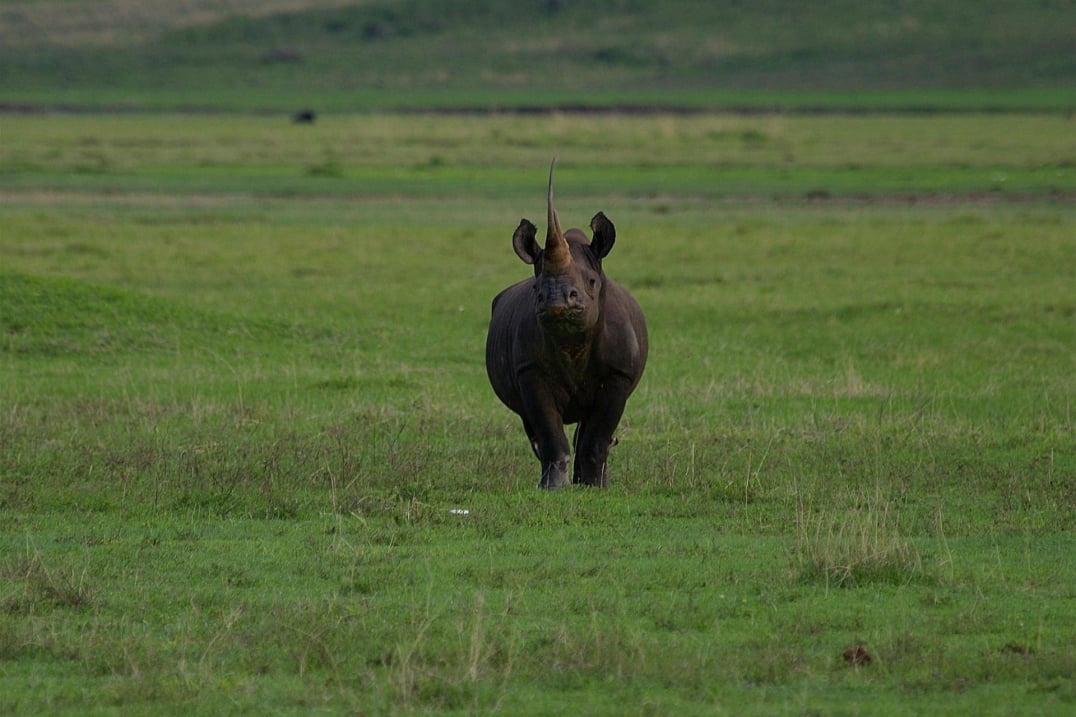
Overview
The Ngorongoro Crater, often called the “Eighth Wonder of the World,” is a UNESCO World Heritage Site located in northern Tanzania. Formed millions of years ago from a collapsed volcano, it is the world’s largest intact caldera. This lush, enclosed ecosystem supports a stunning concentration of wildlife — from lions and elephants to rhinos and flamingos — all thriving within the crater’s 20-kilometer-wide basin.
The surrounding Ngorongoro Conservation Area also encompasses Maasai villages and the Olduvai Gorge, one of the most important paleoanthropological sites on Earth.
Weather & Climate
Ngorongoro’s altitude of over 2,200 meters keeps it cooler than much of Tanzania. Mornings and evenings can be chilly, while days are pleasantly warm. The Dry Season (June–October) offers clear skies and great visibility, while the Wet Season (November–May) turns the crater into a green paradise.
- 🌡️ Average Temperature: 10–25°C (50–77°F)
- 🌦️ Rainfall: Light rains Nov–Dec, heavy rains Mar–May
- 🏔️ Elevation: 2,286 m above sea level
Quick Facts & Best Time to Visit
- 📍 Location: Northern Tanzania, near Karatu
- 🌋 Size: 260 km² (crater floor)
- 🦏 Famous For: Big Five sightings, black rhinos, scenic views
- 🏞️ UNESCO Status: World Heritage Site (1979)
The best time to visit is from June to October, during the dry season when animals are easier to spot. For lush landscapes and fewer tourists, visit between November and May. Year-round, Ngorongoro offers some of the most rewarding safari experiences in Africa.